
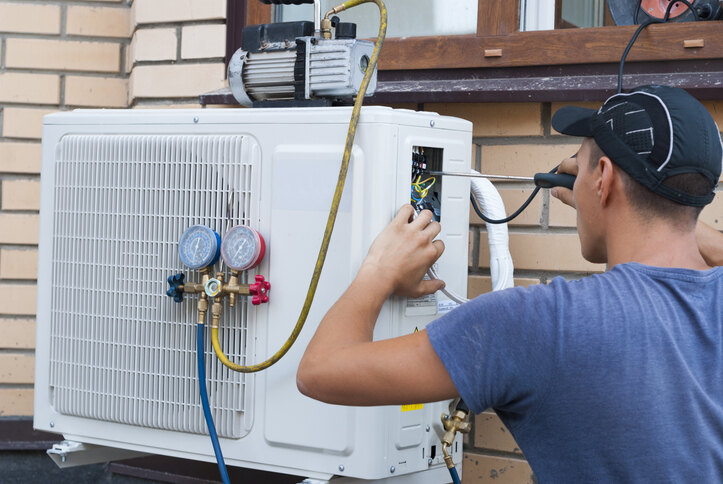
When to Consider Retrofitting Your HVAC System Instead of Replacing It
Replacing an HVAC system is a major investment, but it is not always the only option. In many cases, HVAC system upgrades and retrofitting can improve performance, increase efficiency, and extend equipment life without the cost of a full replacement. For Arizona homeowners, especially in areas like Wickenburg where systems run hard during long summers, knowing when retrofitting makes sense can save thousands of dollars.
What Is HVAC Retrofitting?
Retrofitting refers to upgrading or adding new components to your existing HVAC system to improve performance. Instead of replacing the entire system, a technician updates targeted parts such as the blower motor, thermostat, or refrigerant coil. This approach is ideal when the main system structure is still functioning, but certain parts need modernization.
When Retrofitting Is More Cost-Effective Than Replacement
Retrofitting is often the smarter choice when your HVAC equipment is still structurally sound but beginning to show signs of declining efficiency. Homeowners may notice rising energy bills, uneven cooling, or longer run times, all of which suggest the system needs attention but may not require complete replacement. In many Arizona homes, components such as motors, controls, or coils wear out sooner due to extended seasonal use, making upgrades a practical solution.
Retrofitting is also beneficial when your goal is better efficiency rather than more capacity. If your AC system cools your home well but uses more energy than it should, targeted upgrades can correct the issue without replacing the entire unit.
Common HVAC Retrofits That Save Money
Certain upgrades offer strong performance improvements and noticeable energy savings. These include:
- High-efficiency blower motor replacement
- Smart or programmable thermostat installation
- Upgraded condenser or evaporator coils
- Enhanced filtration or air quality components
- Variable-speed fan or compressor add-ons
These improvements help reduce energy use, stabilize indoor temperatures, and improve airflow throughout your home.
Signs Retrofitting May Be the Right Choice
Retrofitting is worth considering when the system is under 10–12 years old, still cools or heats reliably, and does not have severe structural issues such as a cracked heat exchanger or failing compressor. Systems that run but struggle during peak temperatures can often benefit from new components designed to improve efficiency.
If your home’s comfort problems are related to airflow, duct issues, or outdated controls, retrofitting is typically enough to solve the problem. However, if your system uses outdated refrigerant such as R-22 or has repeated breakdowns, replacement may still be the better long-term investment.
If you want to understand how retrofits or replacements can affect your warranty coverage, read our article What to Know About HVAC Warranty Coverage for a full breakdown of what protections homeowners have and how to keep them valid.
When Full Replacement Makes More Sense
There are situations where replacing the entire HVAC system is more cost-effective. Systems that are more than 15 years old, require frequent repairs, or have major component failures usually cost more to fix than to replace. Homeowners with significant refrigerant leaks, severe corrosion, or poorly sized equipment also benefit more from a new installation that meets current efficiency standards.
Why Professional Guidance Matters
A licensed HVAC technician can evaluate your system’s condition, energy usage, and performance challenges to determine whether HVAC system upgrades and retrofitting will deliver meaningful improvements. Professionals also ensure new components are compatible with your existing setup and meet manufacturer requirements.
Retrofitting done incorrectly can reduce efficiency, create system strain, or void existing warranties, which is why expert assessment is essential.
For many homeowners, HVAC retrofitting offers a cost-effective way to improve comfort and efficiency without committing to a full system replacement. Understanding when targeted upgrades make sense helps you save money while extending the life of your equipment. If you want expert guidance on whether retrofitting or replacement is right for your home, contact us today. We proudly serve Wickenburg, Arizona, and surrounding communities, helping homeowners make the best choice for long-term comfort and performance.







0 comments